

What Is Mindset? (What It Means For Mental Health)
Your mindset affects mental health, self-improvement, and it can shift between forward, stuck, and somewhere in between.

So what actually is your mindset?
Why Mindset Gets Misunderstood:
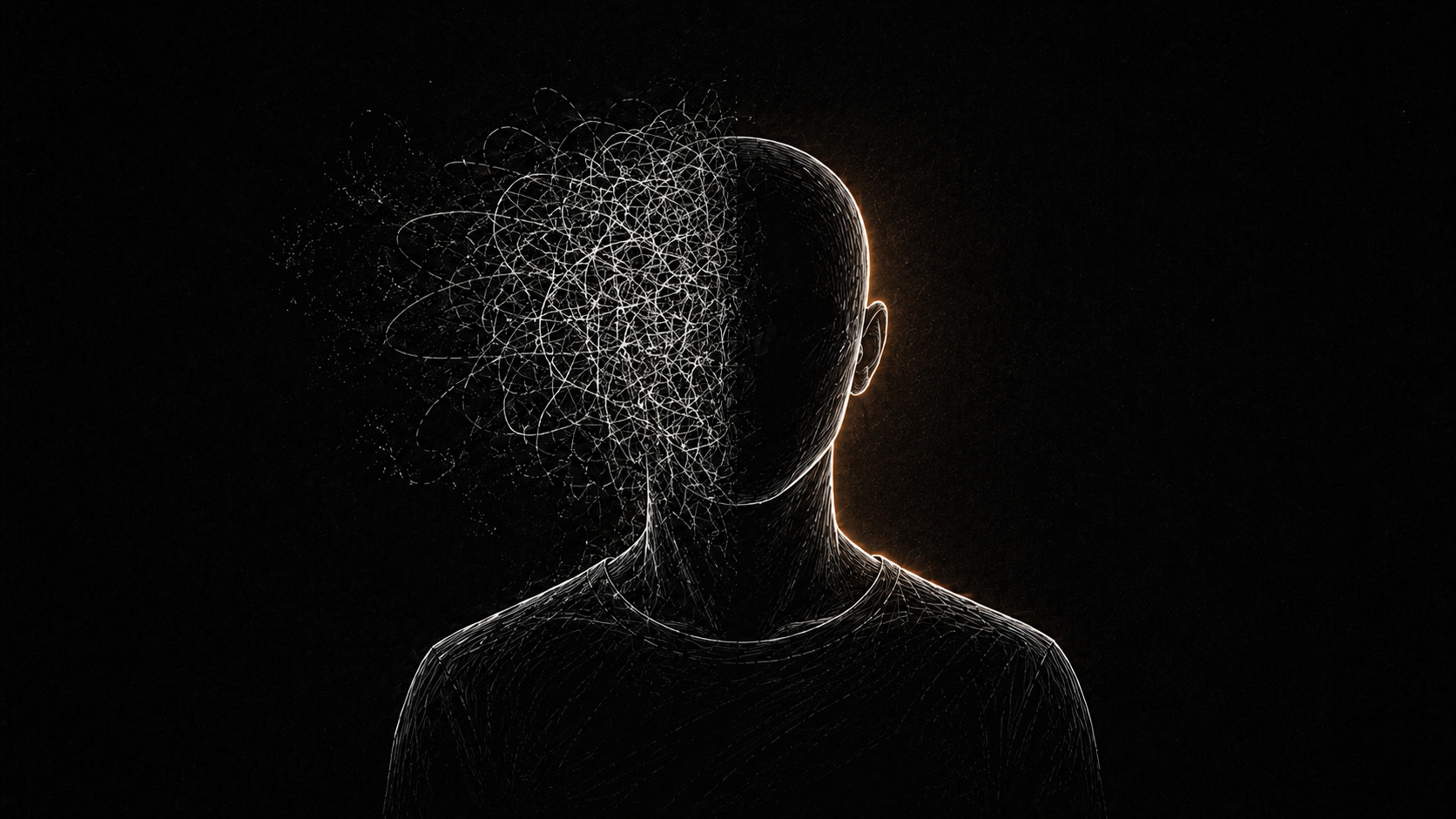
Mindset is one of those words that gets used so often it almost starts sounding empty. You hear it everywhere in self-improvement.
People talk about changing your mindset, fixing your mindset, building a strong mindset, or getting into the right mindset, but a lot of the time the word gets thrown around without thought.
I think that’s why mindset can start feeling like one of those phrases everyone repeats because it sounds right. Most of us have probably done it too. I’ve used the word before without always breaking it down properly, because it feels obvious until you actually stop and ask yourself what you mean by it.
The funny thing is, I don’t think mindset needs to be made complicated. When you strip the word back, it’s more literal than you might realise.
Mindset = your predominant way of thinking.
It’s the direction your thinking keeps returning to when you look at yourself, your life, your future, your problems, and what you believe is possible from where you are right now.
That doesn’t mean every thought you have is the same, and it doesn’t mean your mindset never changes throughout the day. It just means there is usually a main direction your thinking leans towards, especially when life gets difficult.
I’m looking at mindset through the everyday mental health space here. Not as some perfect success formula, and not as a replacement for proper psychology, but as a way to understand how your way of thinking can lean forward, become stuck, or sit somewhere in between… especially when life is affecting you.
What Exactly Is Mindset?
The way I see it, ‘mindset’ isn’t just a motivational word, and isn’t just positive thinking either. Mindset is the predominant direction your thinking is set in at a certain moment.
That direction can affect how you understand what’s happening to you. It can affect what feels possible. It can affect whether you try, avoid, pause, delay, push forward, or give up before you’ve properly started.
Sometimes your thinking leans towards growth, effort, and possibility. Other times it leans towards defeat, frustration, and the feeling that nothing will really change.
Both ways of thinking are mindsets, they just take you in different directions.
I think this is where people get ‘positive thinking’ confused with mindset. You can speak positively all day and still feel completely different internally. You can say “things will get better”, but if something inside doesn’t feel that change is possible, there is a clash between what you’re saying and what you actually believe.
That might be why affirmations don’t work for everyone. Sometimes the words are positive, but the internal feeling hasn’t caught up with them. The words are pointing one way, while your deeper belief is leaning somewhere else.
We’ll go further into this, but the more positive mindset isn’t just saying life can improve. It’s feeling, even slightly, that improvement is possible.
That feeling can turn into belief over time. Once it becomes a belief, it can start affecting behaviour. You try again, you take the next step. You see setbacks differently. You might still struggle, but you’re not fully closed off to the idea that something can move.
Mindset isn’t just what you say to yourself. It’s also what you feel is possible, what you believe is possible, and how that starts showing up in your behaviour, and therefore life.
The Different Types Of Mindset:
There’s a psychologist called Dr Carol Dweck who is known for her work on growth mindset and fixed mindset. Her work has shaped a lot of how people understand this topic, especially around whether people believe abilities can develop or whether they see them as fixed.
I think that idea is useful, but I also think mindset shows up in everyday mental health and self-improvement in ways people don’t always explain clearly.
So for this article, I’m not trying to rename this model, I’m using the wider idea of mindset and bringing it into the way I naturally think about mental health, anxiety, depression, behaviour, and everyday life.
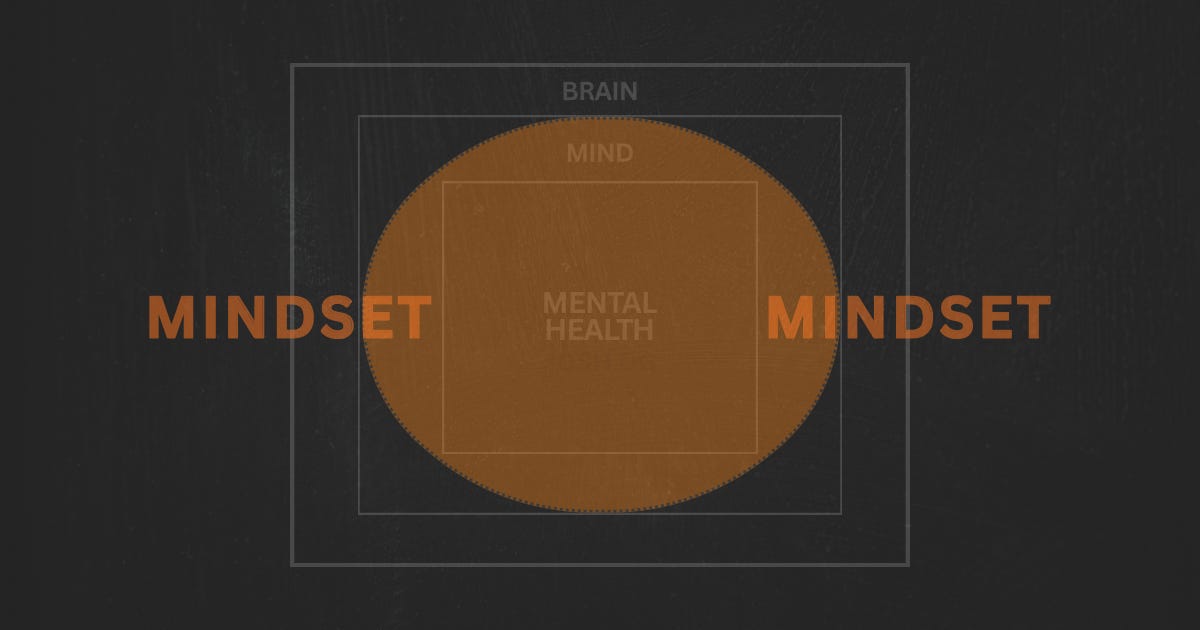
My idea is this: There is a forward mindset, a stuck mindset, and a middle space between the two.
I also think most people have a predominant mindset overall. That doesn’t mean they think the same way in every area of life. Someone might have a forward mindset with work, but a stuck mindset with relationships. Someone might feel confident with fitness, but feel stuck with mental health.
The predominant mindset is more like the direction a persons way of thinking returns to most often.
Mindset isn’t always one clean thing. It can change by experience, by season, by environment, and by what life has been doing to you lately.
What’s A Forward (Growth) Mindset?
A forward mindset doesn’t mean you feel confident 24/7, or wake up motivated, happy, clear-headed, and ready to attack the day.
A forward mindset means your thinking still leans towards the idea that change is possible, even if things are difficult or unclear right now. You might not know exactly how things are going to improve, but somewhere inside you still feel that things can move.
It might just be getting through the day, still trying, still planning, still showing up, or still believing that this version of life doesn’t have to be the final one.
I think a forward mindset becomes powerful when it turns into positive behaviour. If you believe effort can make some kind of difference, you’re more likely to take the next step. You might not feel amazing while doing it, but you’re still moving in the direction of change.
What’s A Stuck (Fixed) Mindset?
A stuck mindset is when your thinking starts leaning towards the idea that nothing can really change.
The cards you’ve been dealt can start feeling like the be all and end all. Your past can start feeling like evidence of what your future will be like, your current situation can start feeling permanent, and effort can feel pointless before you’ve even properly tried.
If you feel like nothing will change, it makes sense that you might avoid things, delay things, give up quicker, or struggle to start. The mindset you’re in makes action feel pointless.
Between A Forward Mindset And A Stuck Mindset:
I think a lot of people sit somewhere between the two. Essentially, stuck between a positive and negative style of mindset.
They’re not fully stuck, but they’re not fully forward either.
They might still believe things can change, but only if something gives them a strong enough reason. They might move if the right opportunity appears, if somebody motivates them, or if life puts enough pressure in front of them.
That middle space is probably more common than people realise. They might still have the mindset to move forward, but they may not have enough belief, structure, energy, support, or emotional fuel to keep doing it consistently.
So it’s sort of like.. “I could do it, but I’m not bothered if I don’t”.
This is also where your predominant mindset matters. Someone might sit in the middle most of the time, but lean forward when something sparks them. Another person might usually be forward-thinking, but drop into stuck thinking when anxiety or depression spark.
Mindset isn’t one fixed thing. It sways with life. You just have a stronger leaning one.
To summarise: if your mindset is leaning forward, you might still see problems, but you can also see options. If your mindset is stuck, the problem can start becoming the whole picture.
Can You Have A Forward Mindset While Depressed?
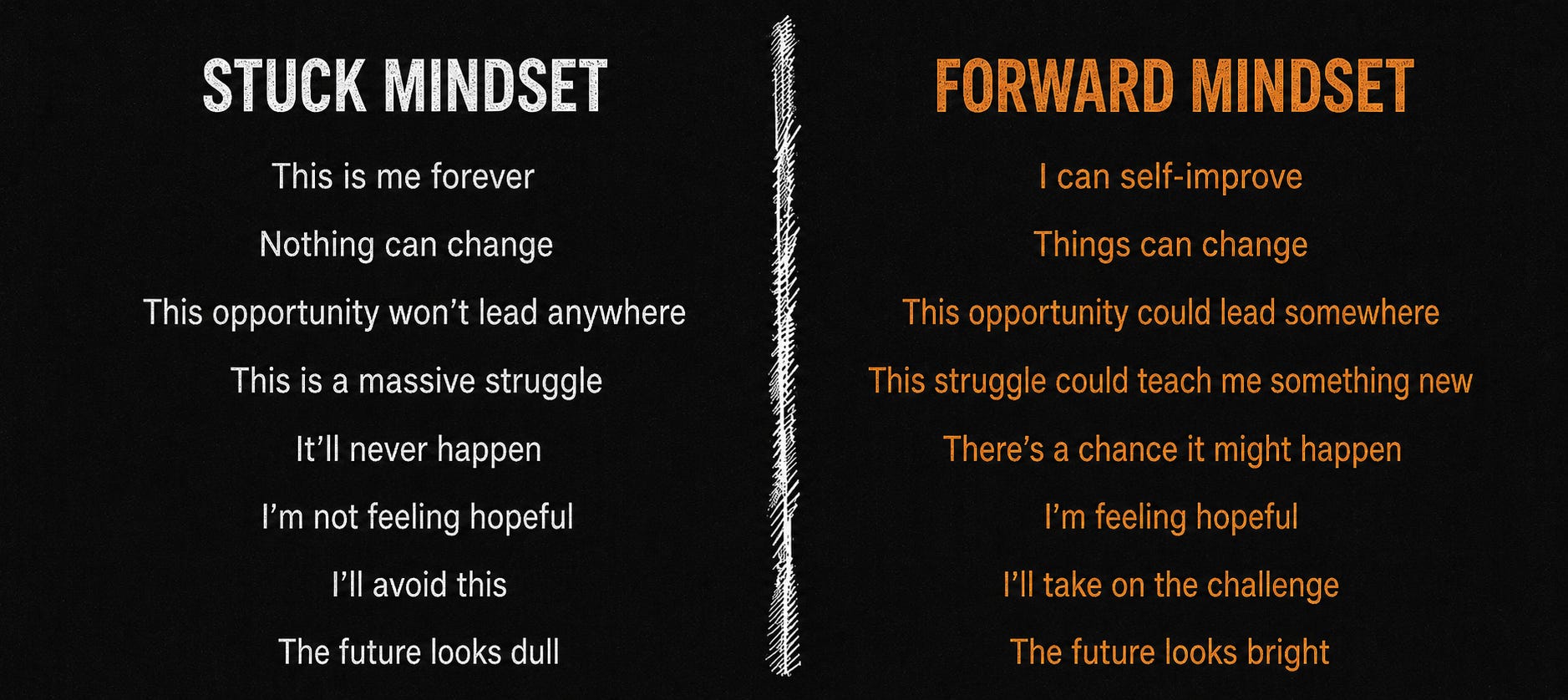
I think you can have a forward mindset while depressed, but it isn’t an easy thing to carry.
This is where people often get confused. Depression doesn’t always mean somebody has fully given up. Someone can feel empty, disconnected, or numb while still knowing somewhere inside that they’re going to keep going. They can still have ambition, goals, and the drive to take action even when everything feels heavier than it should.
But that’s why people in those positions find it so frustrating, it’s like living with two variations of yourself.
I think this is where depression can sometimes fuel a person in a strange way. Not always, and not for everyone, but sometimes the frustration, anger, sadness, or heaviness of depression can become part of what pushes someone forward. It can make them want to rebuild and get out of the place they’re in because they’re tired of feeling trapped there.
That doesn’t mean depression is good. I don’t think that at all. I just think there are times where somebody’s mindset can still lean forward even while their mental health is low.
You can be depressed and still have a forward mindset. You can be ambitious and still feel mentally run down. You can be struggling and still be moving.
Can Anxiety Affect Your Mindset?
Anxiety can affect mindset differently to depression.
When anxiety is intense, your focus can become locked onto the thing you’re anxious about. It can be harder to think positively or in a forward motion because your attention is being pulled towards worry, dread, anticipation, or the social event.
Anxiety can make your mindset drop into a stuck place temporarily.
You might still have a forward mindset overall, but in that anxious moment, everything starts narrowing around what could go wrong.
Someone can have a forward mindset overall, but anxiety can still interrupt it. Someone can believe change is possible, but still feel trapped in one anxious moment.
Depression can sometimes sit heavy in the background while a forward mindset still pushes through - but anxiety can pull your attention so sharply into one thing that the forward (growth) mindset becomes harder to access in that moment.
Is Mindset The Same Thing As Mental Health?
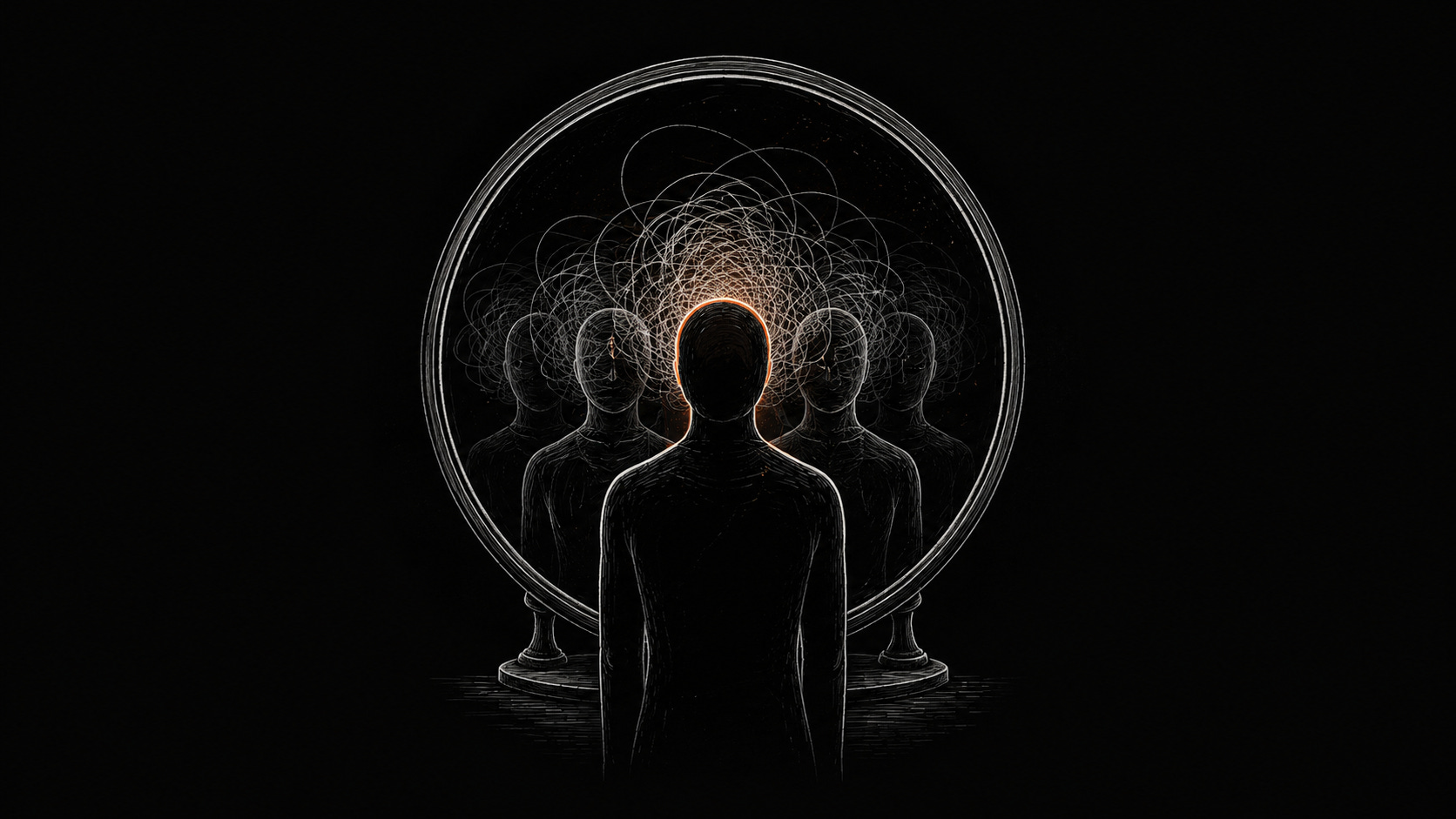
I think this part needs to be clear because mindset and mental health can sound similar from the outside.
Mindset is your predominant way of thinking. It’s the direction your thinking keeps leaning towards when you look at yourself, your life, your future, and what you believe is possible.
Mental health is the broader state of your inner world. It’s more about how balanced, overwhelmed, low, anxious, clear, heavy, or unsettled you feel overall.
They influence each other, but they’re not the same thing.
You can have a forward mindset and still have a bad mental health day. You might believe your life can improve, while still feeling depressed, anxious, or mentally drained. That doesn’t mean your forward mindset is there, it just means your mental health is making that mindset harder to keep a hold of.
You can also have decent mental health for a while and still slip into a stuck mindset after something knocks you off balance. One bad conversation, one failure, or one disappointment can make things feel pointless for a while, even if your overall mental health hasn’t completely dropped.
The way I look at it…
Mindset is the thinking direction. Mental health is the overall inner state.
Brain, mind, mental health, and mindset all connect, but they’re not the same thing.
The brain is the physical system processing information. The mind is where thoughts, emotions, perception, and meaning happen. Mental health is the overall condition of your inner wellbeing. Mindset is the predominant way your thinking is set at that time.
Related read: If you want a clearer breakdown of the brain, mind, and mental health, I explain that here: What’s The Difference Between The Brain, The Mind, and Mental Health?
That distinction matters because when everything gets mixed together, it becomes easier to try and solve the wrong problem.
Mindset And Mental Health Do Affect Each Other:
Mindset and mental health affect each other in both mindset directions.
If your mindset stays stuck for a long time, it can start weighing on your mental health. When you keep thinking nothing can change, effort is pointless, or the future is already decided, it becomes harder to feel balanced inside. That way of thinking can add more weight to what you’re already carrying mentally.
The other side matters too…
Low mental health can push your mindset into a stuck place. When you’re tired, anxious, depressed, overwhelmed, or emotionally worn down, it becomes harder to think in a forward motion.
It’s literally why “just change your mindset” can sound so empty to someone who is struggling. It skips over the fact that mental health can affect how possible change feels.
A healthier mindset can support your mental health because it gives you a better direction to work from. Better mental health can support your mindset because it gives you more energy, clarity, and emotional room to believe things can move.
They’re separate, but they feed into each other.
Can You Change Your Mindset?
I don’t think you change your mindset by shouting positive statements at yourself in the mirror, pretending everything is fine.
That might help some people for a moment, but for a lot of people, especially when anxiety or depression is involved, it can feel fake.
You might say all the right words and still feel no real belief behind them.
The thing is… if you keep thinking nothing changes, doing something small that creates even a tiny change gives you evidence. If you keep thinking you can’t do anything right, completing one thing properly gives you something else to work with.
That is how I think mindset starts to move, I feel anyway.
This is also where experience matters. You can read about mindset all day, understand the theory, and know the difference between the fixed mindset and the growth mindset, and that is all useful. I also think some things only start to feel real when you experience them yourself.
You don’t just think your way into a new mindset. A lot of the time, you live your way into one too. Positive or negative.
What Mindset Really Comes Down To:
Mindset gets misunderstood because people make it sound more mysterious than it is.
I think mindset is simply the predominant direction your thinking is set in. It affects how you interpret your life, your problems, your future, your effort, your setbacks, and your ability to change.
A forward mindset doesn’t mean your life is 100% perfect. It means your way of thinking is still leaning towards the possibility that things can move in the right direction, for the better.
A stuck mindset doesn’t mean you’re behind anyone else, or a failure. It just means your thinking is currently leaning towards the idea that nothing can change or get better.
Then there is the middle space too. The part where you might still improve or profess in life, but you need a reason, a reminder, a bit of belief, a bit of structure, or a bit of proof.
Josh DG.
Thanks for reading! Let me know what part resonated the most 🙌.
Final Thoughts:
What is mindset, simply put?
Mindset is your predominant way of thinking. It’s the direction your thinking is currently set in, and it affects how you interpret situations, setbacks, opportunities, and your own ability to change.
What is a forward mindset?
A forward mindset is when your thinking is set on the idea that change, growth, and improvement are possible. It doesn’t mean you feel confident or positive all the time. It means part of you still feels that things can move.
What is a stuck mindset?
A stuck mindset is when your thinking is set on the idea that nothing can really change. Effort starts to feel pointless, the future feels fixed, and your current situation starts feeling permanent.
Can you be between a forward mindset and a stuck mindset?
Yes. I think a lot of people sit somewhere between the two. They might not feel fully stuck, but they’re not fully forward either. They might move if the right motivator, opportunity, pressure, or reason appears. That middle space matters because it means the door isn’t fully shut.
What’s the difference between the mind and mindset?
The mind is where thoughts, emotions, perception, and meaning happen. Mindset is the predominant direction your thinking is set in at the time. They connect, but they’re not the same thing.
What’s the difference between mindset and mental health?
Mindset is your way of thinking. Mental health is the broader state of your inner world. Mindset is more like the direction your thinking is leaning in. Mental health is more like the overall condition of how your whole system feels and functions.
Can you have a forward mindset while depressed?
Yes, I think you can. Someone can feel depressed, low, empty, or mentally drained while still believing things can change and still taking action. It isn’t easy, but it does happen. That is why mental health and mindset need to be understood separately.
Can anxiety affect your mindset?
Yes. Anxiety can pull your focus towards worry, threat, or what could go wrong. When that happens, your mindset can temporarily drop into a stuck (fixed) place because it becomes harder to think beyond the thing you’re anxious about.
How do you change your mindset?
Everybody is different. But one thing you can do, is start by noticing where your thinking is leaning, then create small bits of evidence that challenge the stuck setting. That might mean finishing one task, making one better decision, handling one hard moment, or doing something that reminds you change is still possible.
This article was written by Josh DG.
Josh DG is a writer (and creative) whose content focuses on psychology, mental health, and self-improvement. He explores the mind, human behaviour, emotional wellbeing, and why personal growth looks different for everyone.
His work is shaped by real experiences rather than distant theory. He understands that when it comes to mental health, self-awareness, and self-improvement, what works for one person may not work for another.
Connect with Josh DG:
JoshDG.com
Josh DG on Threads
Josh DG on X (formally Twitter)