

Why You Get Anxiety Before Things (Then End Up Enjoying Them)
The anxious version before something starts isn’t always the version that shows up during the moment.

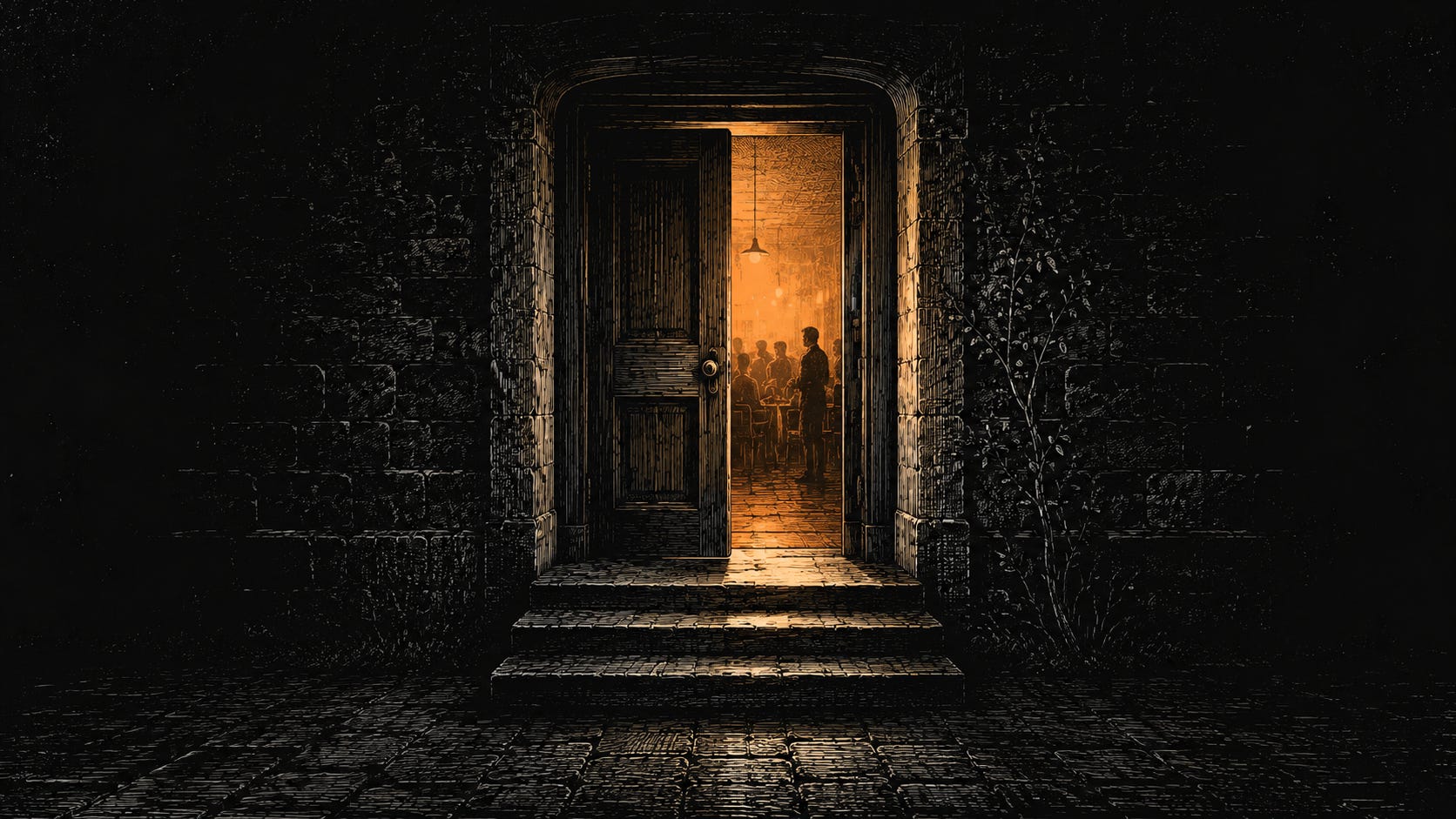
How many times have you spent hours, or even days, dreading something you nearly didn’t go to..
Then ended up having a genuinely good time once you were actually there?
Maybe it was a family gathering you were quietly hoping would get cancelled. A night out, a meeting, or a plan with people where the anxiety beforehand felt heavier than the thing itself ever turned out to be. You spend the whole build-up thinking: I don’t even wanna go. I’m not gonna enjoy this. I’m just not in the mood for it. I’m not that kind of person.
Then a few hours later.. you’re talking, laughing, actually enjoying yourself, and feeling more relaxed than you did sitting at home overthinking it.
So which one was actually YOU?
The version dreading it beforehand, or the version that turned up and had a good time?
This is where anticipation anxiety comes in. It can stop you from knowing what your REAL personality is like, and it can stop you enjoying yourself fully.
But sometimes, even when you’re anxious about something, the thing you’re anxious about turns out to be the best time of your life. And spontaneous moments you didn’t think would happen, are where you can naturally find who you are, and what gives you positive energy.
What Anticipation Anxiety Actually Is:
A lot of people feel anxiety before things without realising how much it shapes the way they see themselves afterwards.
The anxiety you feel before going out, social plans, events, or gatherings is usually something called anticipation anxiety, sometimes also called anticipatory anxiety.
It’s the anxiety you feel before anything has even happened yet.
The overthinking beforehand, imagining how things might go wrong, mentally rehearsing conversations before they exist, and feeling drained before you’ve even left the house.
The strange part is that anticipation anxiety feels completely real while you’re in it. Your body feels it. Your mood changes because of it. Your thoughts get pulled into it. After enough times feeling that way before things, it becomes easy to start thinking:
Maybe this is just who I am.
But the version of you before something starts isn’t always the version that shows up once you’re actually in it. High levels of anxiety have a habit of convincing you of things that aren’t quite true.
The version of you before something starts isn’t always the version that shows up once you’re actually living it.
The Fake Version You Have In Your Mind Before You Go:
Before something begins, your mind fills in the blanks itself.
It imagines awkward silences before they happen. It pictures you not fitting in before you’ve even arrived. It places you into a version of the situation where everything feels uncomfortable before the real moment has had any chance to actually happen.
That’s why the dread feels so convincing. Your mind has already lived through a worst-case version of the event before your body has even got there.
This is really the mind doing what it always does, filling in gaps and assigning meaning before anything has actually happened, which is something I broke down properly in What’s The Difference Between The Brain, The Mind, And Mental Health.
The problem is that this version of you usually isn’t real. That YOU, is built from worry, not from what actually tends to happen.
More often than not, the thing you’re anxious for, turns out nothing like the version your mind said it would leading up to it.
Why You Feel Different Once You’re Actually There:
You go anyway..
After a while, another side of you starts appearing naturally. You don’t even notice the change. You kind of, settle into it without thinking. Conversations become fluent, you start enjoying yourself, and you stop thinking about yourself every few seconds.
Your personality starts coming out naturally instead of sitting trapped underneath the overthinking.
That’s who you are. That’s what you enjoy. That’s the environment that suits you. That’s the people you enjoy being around.
And that’s the part I find interesting, because that version of you was there the whole time. It just couldn’t come out while your mind was stuck in defence mode building up to it.
I don’t think the socially anxious version of somebody before something is always the truest version of them. Most of the time, that version is a guarded, mentally overprepared version expecting something to go wrong before it even has.
This is probably one of the reasons people always say travelling helps you “find yourself” too. It’s not because travelling somehow makes anxiety or depression vanish, but because different places, people, and experiences can bring out sides of you that your normal environment never really gave space for.
That’s also why I think experience matters so much in life. Science, psychology, education, and frameworks around the mind and mental health are important and we need them. But experience matters too.
Some things only fully make sense once you experience them properly yourself. The real version of you usually appears.
Why You Shouldn’t Always Trust Anticipation Anxiety:
This is why I don’t think you should let how you feel beforehand make all your decisions for you.
If you only ever listen to the anticipation anxiety beforehand.. you’ll keep cancelling, avoiding, and talking yourself out of things. Every time you do that, you slowly reinforce the idea that you’re somebody who doesn’t enjoy those things, when really you just never gave the other version of yourself the chance to turn up.
The anxiety you get leading up to an event is trying to protect you from situations that can turn out completely fine, and sometimes from moments you’d probably end up enjoying the most.
You can’t always trust how you feel about something before you’ve properly experienced it.
Years of dreading social situations, overthinking beforehand, and preparing for the worst can slowly condition you that the anxious version is just who you are. But your actual experiences usually tell a different story. Because you end up enjoying them after all that fuss leading up.
You enjoy it more than you expected, you relax more than you expected, you feel more like yourself than you expected.
Those moments are what give you a breath of fresh air, with or without struggling with anxiety. Somewhere in that moment that you enjoyed, was the real You.
The version of you that exists in the dread beforehand isn’t always the functional one.
Sometimes the REAL version of you shows up unexpectedly and shocks you. It lets you know you’re still alive.
Josh DG.
Thanks for reading! Let me know what part resonated the most 🙌.
Every Like, share, or comment helps this message find the right person who may need it.
Final Thoughts:
Why do I dread things then end up enjoying them?
Because the anxiety you feel beforehand, often called anticipation anxiety, builds a worst-case version of the situation in your mind before it’s actually happened. Once you’re there and settle in, the real version of you comes out, and it’s usually nothing like the one the dread convinced you of.
What is anticipation anxiety?
It’s the anxiety you feel before something has even happened. The overthinking, imagining how things might go wrong, and feeling mentally drained before you’ve even left the house. It feels real, but it’s usually based more on worry than on what actually tends to happen.
Why does anxiety feel worse before an event than during it?
Because beforehand, your mind is free to imagine every possible way things could go wrong. Once you’re actually in the situation, your mind has real information to work with instead of imagined fears, so things usually start settling naturally.
Should I trust how I feel about something before I’ve done it?
Not always. The version of you before something starts is often a guarded, overprepared version reacting to worry. How you feel once you’re actually in the experience is usually a far more honest reflection of whether something is right for you.
This article was written by Josh DG.
Josh DG is a UK writer and creative whose content focuses on psychology, mental health, and self-improvement. He explores the mind, human behaviour, emotional wellbeing, and why personal growth looks different for everyone.
His work is shaped by real experiences rather than distant theory. He understands that when it comes to mental health, self-awareness, and self-improvement, what works for one person may not work for another.
Website: JoshDG.com
Substack: Josh DG
Threads: @_joshDG
X: @_JoshDG